The 4th Annual FinStraclift holiday

Standard

Where: Darwin and Kakadu NP

Hanging out with: The Stracks and the Clifts.

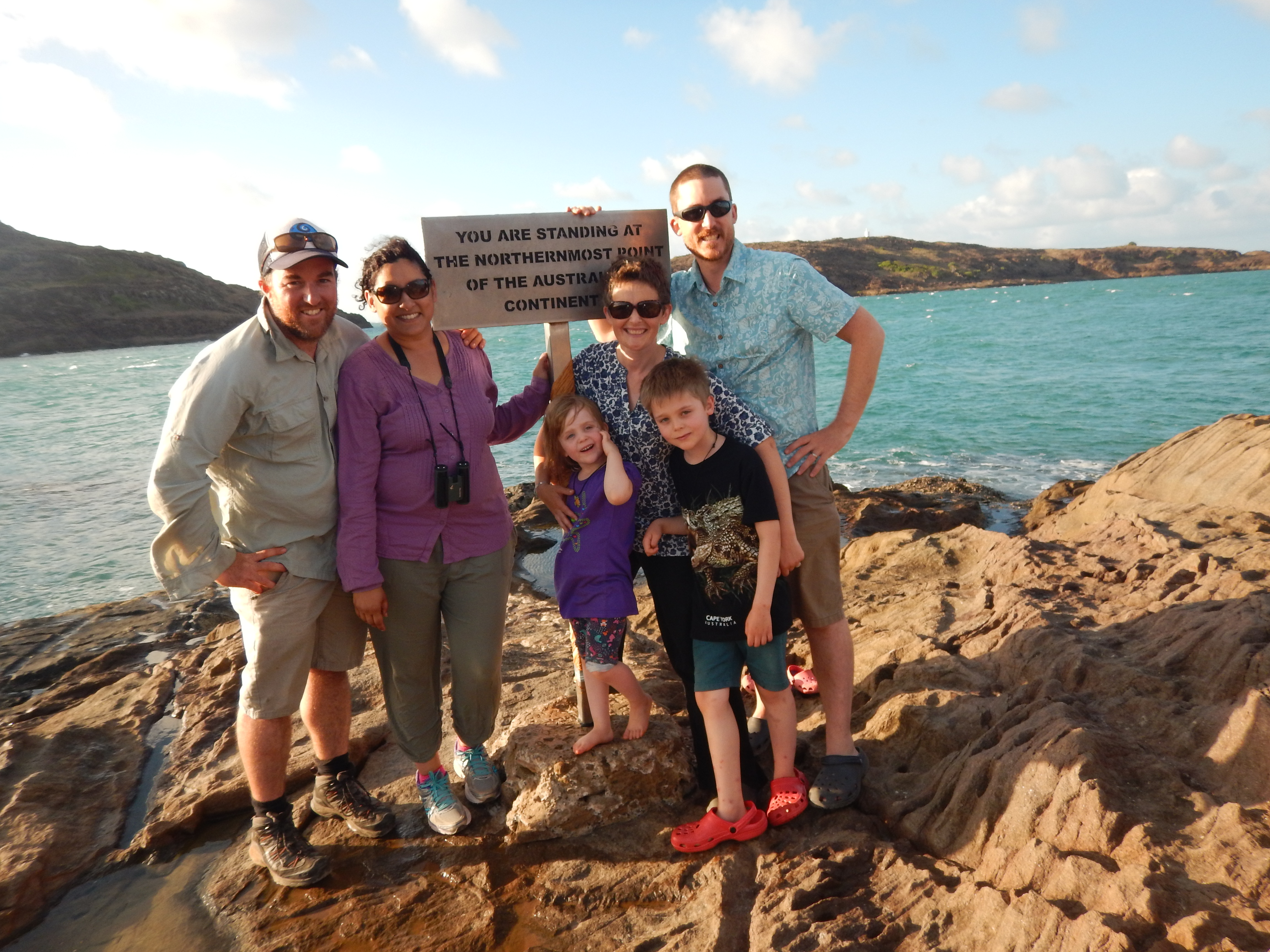
For the past three years the Finlaysons, the Stracks and the Clifts have managed to organise an annual holiday together. This ritual has become an important part of our lives because we now all live in different states/countries. The inaugural holiday in 2012 was inspired by the fact that for the first time in history, all six of us were pretty much “unemployed” at the same time.

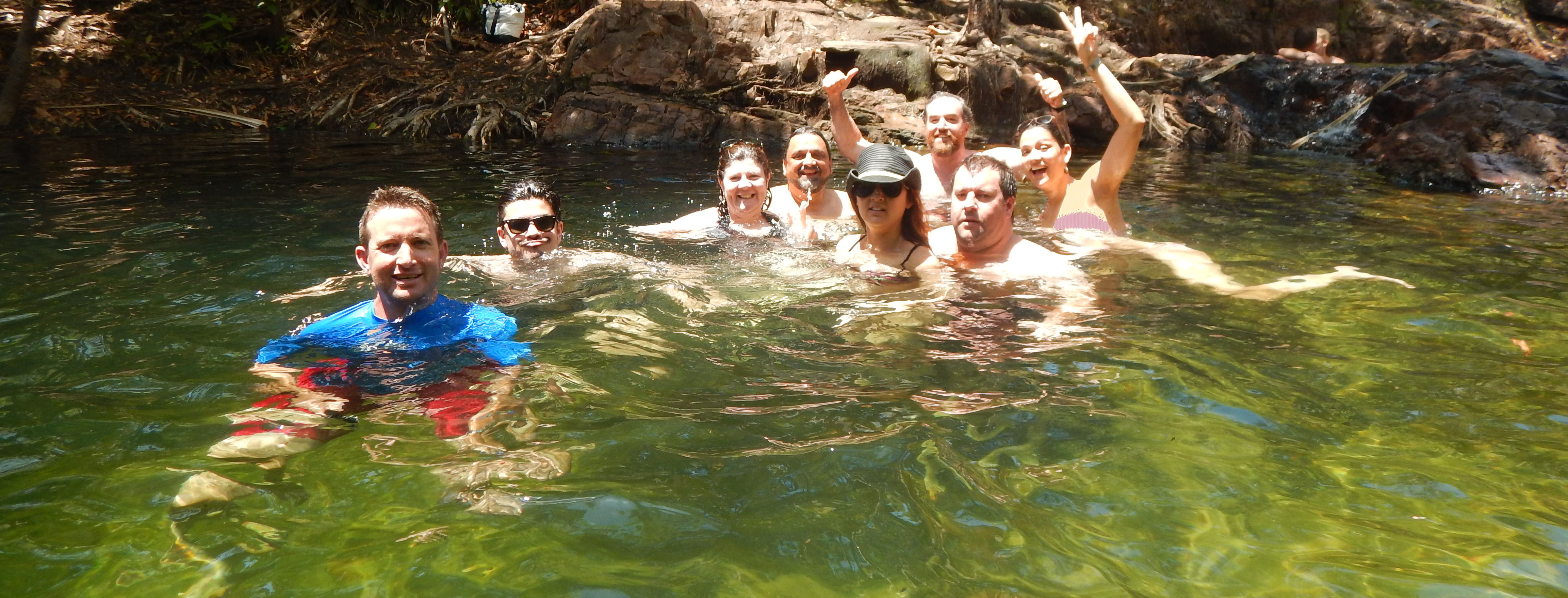
This year the Stracks and Clifts joined us in Darwin for a winter escape. We had lots of fun with the kids in the wavepool and another trip to Litchfield NP to have a picnic and relax in the cooling waters.

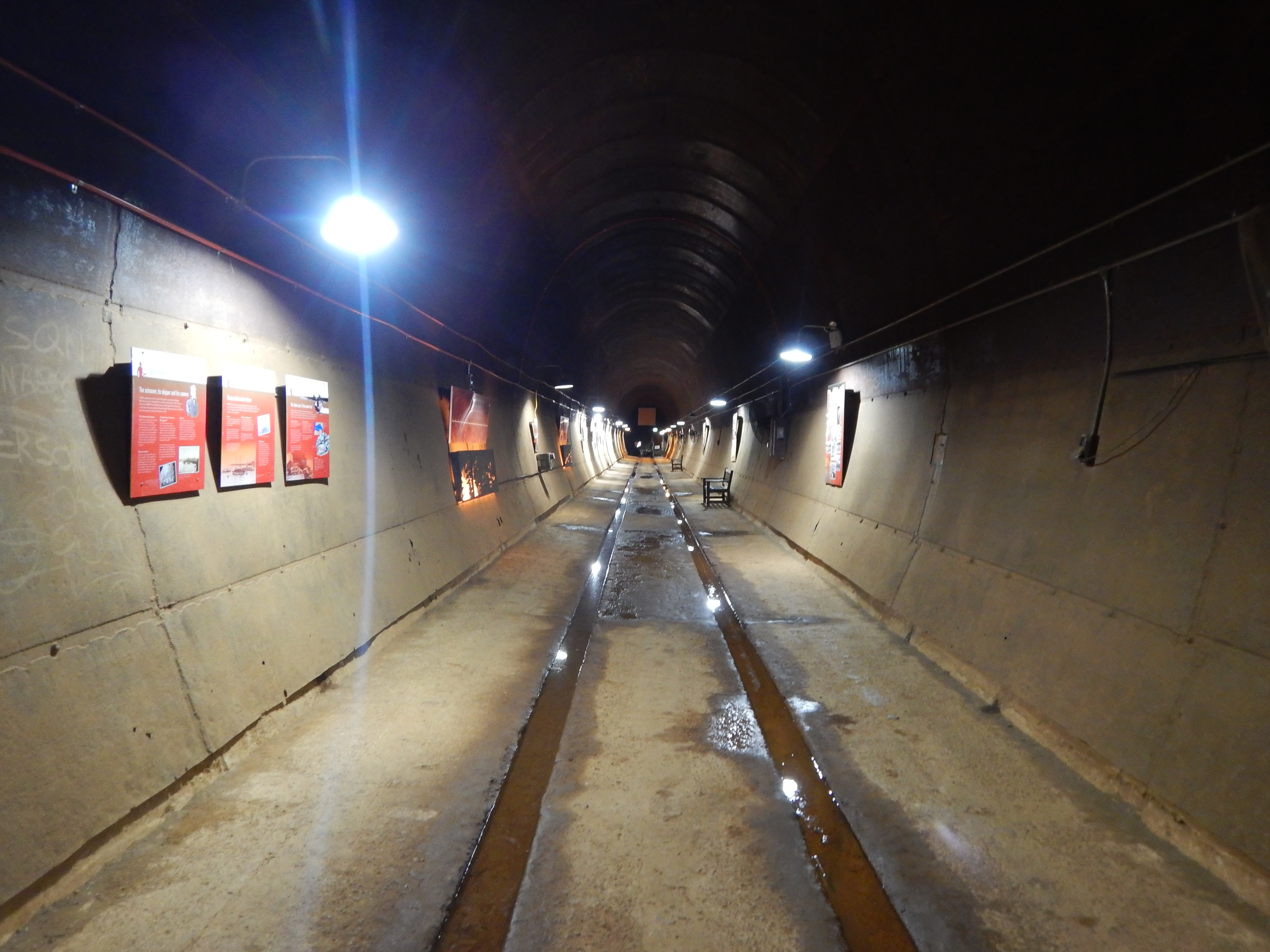
DSCN3105We visited the underground tunnels built during WWII

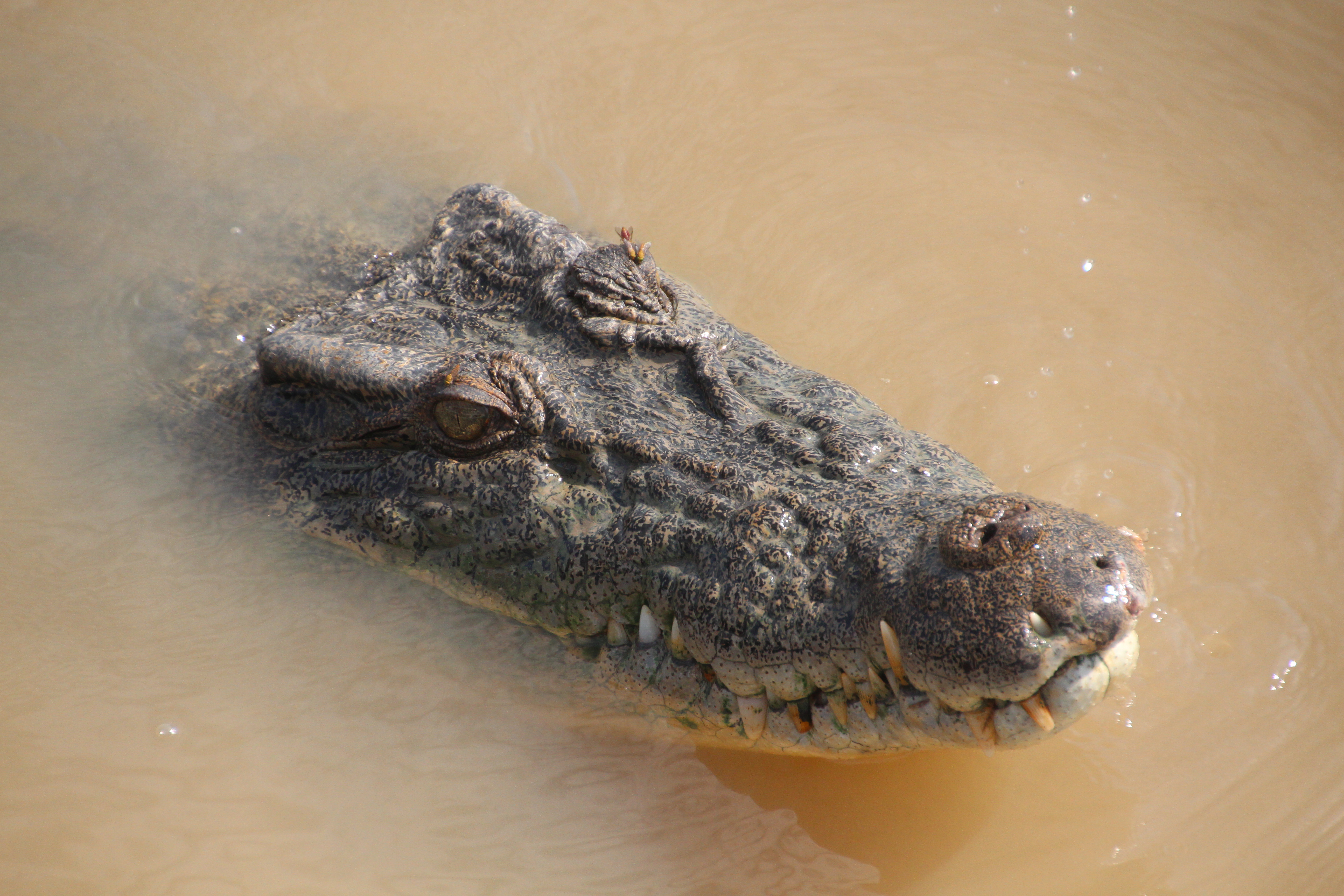
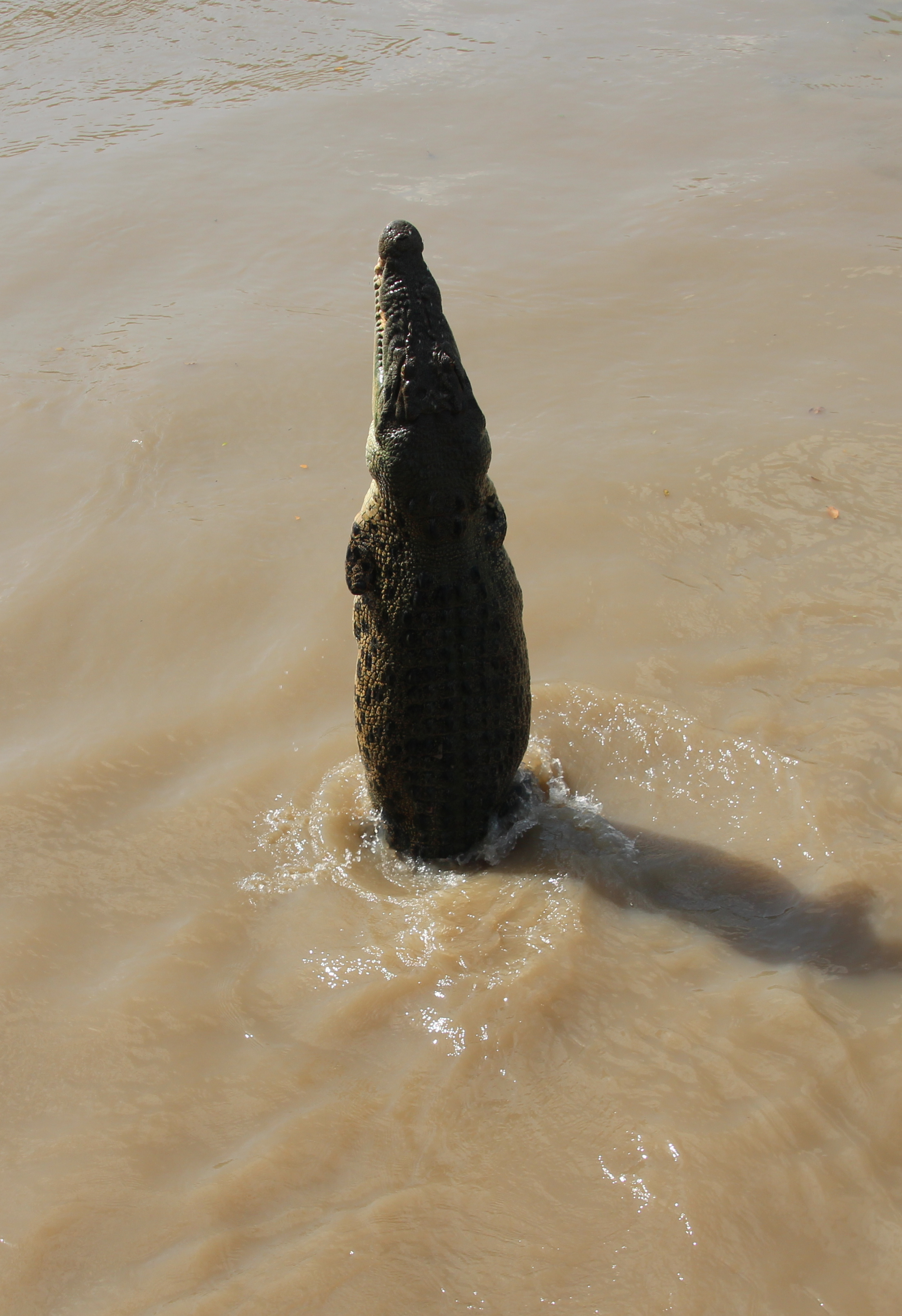
Darwin tunnell DSCN3053and did a cruise on the river to watch wild jumping crocodiles.

Croc jumping IMG_0579Croc jumping IMG_0555

The holiday also happened to coincide with Graeme’s birthday so we took him on a crabbing and bara fishing charter. Alas, the barramundi didn’t take the bait, but we did take home eight giant mudcrabs which fed us for two days.

DSCN3119DSCN3128

After five days in Darwin we headed to Kakadu NP for more adventures. To be continued…

A very Raymond Darwin

Standard

Where: Darwin of course.

Hanging out with: The Raymonds of course.

Connection: Tash worked with Graeme in Perth

After an overnight visit to Katherine Gorge we arrived in Darwin to celebrate the 30th birthday of the Raymond twins – Tash and Jonelle. Although Tash has a real twin sister, Tash and I call each other “twin” because we look more alike than she does to her actual twin sister. Also she’s part Lankan – which means we are related by marriage somehow (my cousin’s ex-wife’s mother’s partner is Tash’s granduncle – figure that one out). And to confuse things even more Tash’s husband Greg is my birthday twin. A friendship of many happy coincidences.

2015-09-17 20.42.04The Raymond twins decided to celebrate their birthday in Darwin and most of their family joined them. It was a lovely excuse to hangout with them for the weekend which or course revolved around eating and drinking.

We also had a wonderful day at Litchfield National Park swimming in every waterhole we came across (no estuarine crocs in there).DSCN2954 PS

In loving memory

Standard

DSCN2899

This year marks 10 years since my friend Kirk died. He was the passenger in a car heading towards a remote aboriginal community in Arnhemland when the driver lost control on the dirt road. He was 27 years old. A few months ago our group of friends gathered at one of his favourite parks in Melbourne and planted a tree to commemorate the anniversary of his death. I couldn’t be there with them, but today (16th Sept) we drove past the start of that long and winding road on which he had his accident and in the days leading up to this, Kirk and his death had been weighing heavily on my mind. So I needed to stop at this intersection to quietly reflect on what Kirk meant to me.

Kirk Robson and I became friends when I was 12 and he was 11 years old. He was the son of the new Minister at our church in Box Hill. Going to an all-girls school all my life I had not met many boys, so Kirk became my first true male friend. Actually, Kirk was several firsts for me including my first kiss. We had been Christmas carolling around Box Hill and afterwards we went to the local Seven Eleven to get a slurpy. He was rather swarve back then, his pick-up line was “so sharing the same drink is practically like kissing”. Then we made out behind the dumpster. You can imagine how much I was later teased by my cousins about “having a slurpy behind the 7/11”! That teenage romance lasted a whole two weeks then kind of fizzled out. But we still remained friends until the day he died.

When I reflect on the impact that Kirk had on my life and the gifts he gave me such as his gift of friendship and LOTS of laughter, there is one thing that stands out the most. Through our friendship, he essentially gave me the friendship of many others. When we were 16 years old, he made me go on a youth camp with him because he didn’t want to go alone. At this camp we made friends with so many new people. And from that initial group of friends, we met their friends who then became our friends and so on until this group of friends grew so big I can’t even count the numbers. Kirk gave me this amazing, like-minded group of friends who helped me grow into what I am now and who are still so very important in my life today.

I hadn’t seen Kirk much in the last 12 months of his life. Approaching our late 20’s life had taken all of us on different adventures and on different paths. The same could be said about our group of friends in the present. We might not see each other that much because “life just gets in the way”, but it doesn’t change the significance or importance of these friendships.

Kirk was a budding actor, but he was not seeking fame and fortune (although I do recall him standing up for the actors on Neighbours “because that is where many Australian actors get their start”).   Instead he wanted to use his skills to help people. On the day of his death he was on his way to help the youth of an aboriginal community put together a stage production for a festival. There is no fairness in death. Why can cruel, torturous people live until they’re ninety while the people that want to do good in this world are taken away. This is a question that continues to haunt me.

As I lay a stick with Kirk’s name carved on it at the start of this road, I find myself both crying and smiling at the same time.

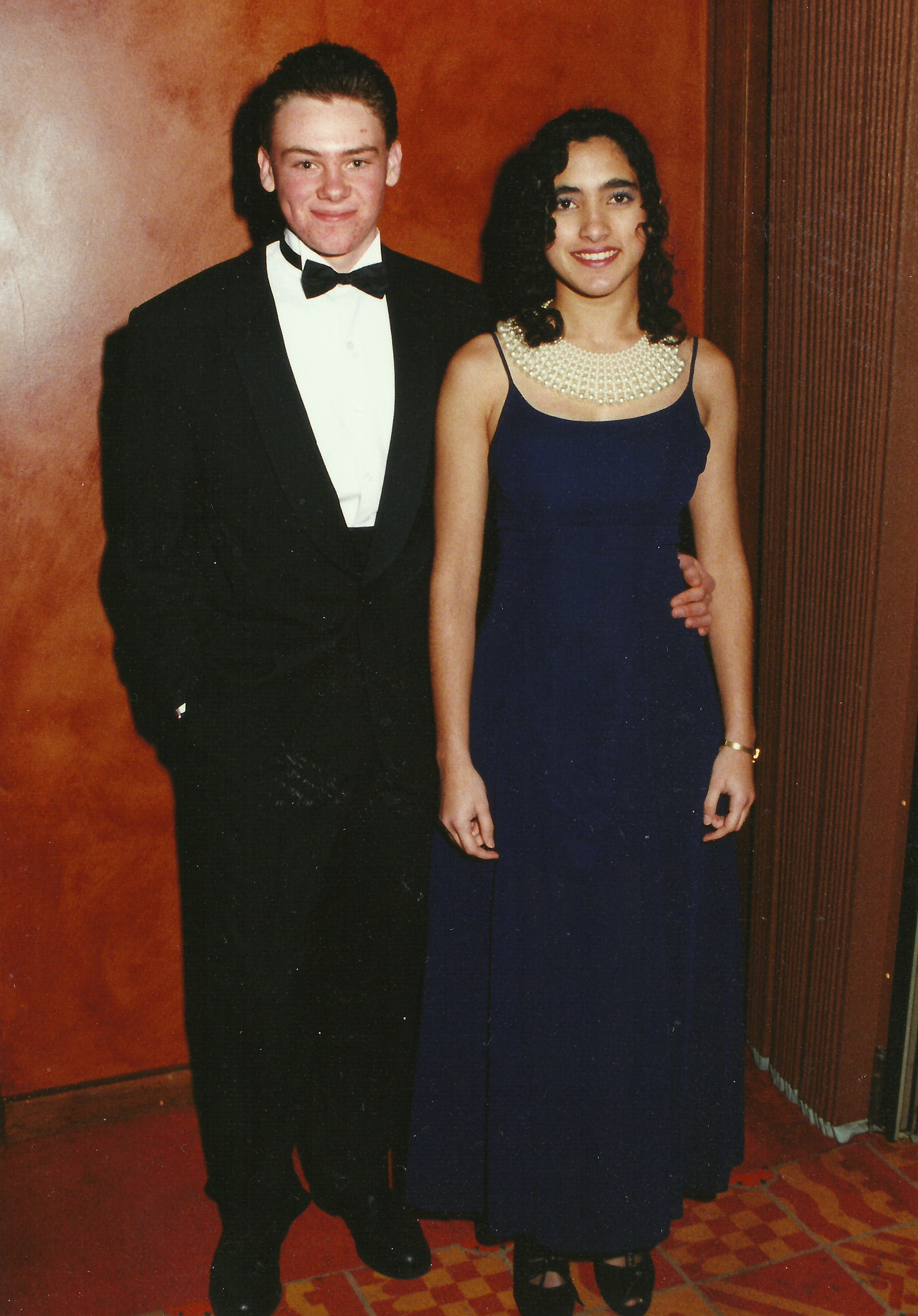
Year 11 formal

Kirk accompanying me to my Year 11 formal

A hidden oasis

Standard

DSCN2659 cropped

As I said earlier, Daintree NP seems to be the most famous of Queensland’s parks, but we were told by numerous friends who’ve traveled around Australia that Lawn Hill NP is not to be missed. And they were right.

DSCN2849Boodjamulla (aka Lawn Hill NP) is not on the way to anywhere so it is easy to miss. It is a beautiful oasis in the middle of a vast expanse of highly degraded pastoral land near the Qld-NT border. DSCN2810Finally we were able to camp next to a swimmable waterhole without any estuarine crocs so we spent most of our days in the water. We also hired a kayak one day and paddled up stream as far as we could go.

Of course the wildlife didn’t escape our gaze, especially the purple-crowned fairy wren, buff-sided robin and freshwater crocs.

Buff sided robin IMG_9962 croppedPurple crowned fairywren IMG_9995

DSCN2842DSCN2891Nearby is the World Heritage listed Riversleigh Fossil site were you can walk around one of this dig sites and see bones from the extinct Thunderbird (which stood 2.5 meters tall and weighed 300kg), a turtle and a giant freshwater crocodile.

After resting and recharging our batteries in the cooling waters of Lawn Hill gorge for a few days we made our way into the Northern Territory.

DSCN2757 cropped

In search of the striped possum

Standard

Another one on the hit list, the striped possum, a tropical species found only in far north Queensland and PNG with striking black and white stripes. As soon as we reached Townsville, the southern most part of their distribution, we were on the lookout.

Graeme spotted two of them, one in the Atherton Tablelands and one in the Daintree, while spotlighting. Striped possums have a unique, elongated 4th finger to scratch Striped possum Eachum PS DSCN1579out bugs from rotting timber which can often make an obvious scratching noise. Graeme heard this noise one night and followed it deep into the bush until he found the culprit way up in a tree!

Unfortunately for me I was too tired to spotlight those nights and I missed them. But my rule for this trip is that if I don’t see the animal it doesn’t count, so our search was not over yet.

This species is supposedly common in the Cairns Botanical Gardens, but our spotlighting was unsuccessful. Cape York didn’t provide me with a viewing either. So on our way from Cape York to western Qld we went back to the Atherton Tableland for the third time and stayed at a birdwatching lodge (nerds!) where we had it on good authority that there was a resident striped possum.

The Kingfisher Lodge has an amazing array of wildlife on their property including the green ringtail possum (also a first for us) and many bird species. And as luck would have it we found this beautiful striped possum foraging in a tree. Striped possum…TICK!Stripped possum cropped IMG_9690

CAPE YORK #3: In search of the cuscus

Standard

Where: Kutini-Payamu (Iron range NP)

Hanging out with: Jenny and Euan and kids (again J)

The Daintree National Parks seems to be Queensland’s most famous, but there are so many other National Parks out there that have diverse habitats with an amazing array of wildlife. Iron Range NP is one of those parks. It is one of the largest remaining areas of lowland rainforest to be found in Australia and was once connected to Paupa New Guinea. Due to it’s topography the lowland rainforest has been retained and many of the animals and plants that occur are only found here and in PNG, so a really unique spot on Cape York as a lover of nature. Once again we donned the head torches and went out spotlighting in search of some of the unique critters in the area.

IMG_9372Our first two nights were spent on Chilli beach and we were treated to the spectacular sight of the metallic starling murmeration (this is a new word for us as well – it means a flock of starlings). At dusk, after a day of foraging, the starlings come together into one giant flock and fly around in beautiful patterns over their roosting site for about 10-15mins before finally settling on the trees to sleep for the night. It was breath-taking to watch!

The next two nights we camped in the heart of the rainforest and we had a number of animals on our list to see. The green python was high on our hit list because it would have to be one the most beautiful of all snakes. Euan found this one for us wrapped on a tree waiting for its prey.

Green python PS IMG_9451Cuscus (not to be confused with couscous) are a type of possum and two species can be found inCommon cuscus IMG_9446 cropped PS Australia: spotted cuscus and the common cuscus. We found this beauty only 50 metres from our campsite! In total we found three common cuscus but the unfortunately the spotted cuscus eluded us.

CAPE YORK #2: The Tip

Standard

Heading up to the Palm cockatoo IMG_9087Tip of Cape York we had a few nights at Loyalty Beach with magnificent views of the Gulf of Carpentaria and the Torres Straight. A beautiful palm cockatoo came for a visit. We also couldn’t resist the opportunity to take a scenic helicopter flight over the tip to get an aerial view of the area and spot many crocodiles from the air.

View of The Tip from the air

View of The Tip from the air

We took a ferry to Thursday Island for a day tour, which of course included a drink at the most northern Australian pub. The turquoise waters were just so inviting but unfortunately too many crocs lurking in the water.

THursday Is pano DSCN2350

Thursday Island

We made the move to Punsand Beach, the northern-most campground in Australia and to our surprise Jenny and Euan arrived at the same time after changing their schedule. This made for a wonderful evening at the Tip of Australia. We took a picnic dinner and some celebratory bubbles to have while we watched the sunset. Graeme through a line in (but didn’t catch anything). It was a magical evening made even better by sharing the experience with our friends.

DSCN2378 DSCN2385DSCN2415


CAPE YORK #1: Joining the “Big Roo Count”

Standard

DSCN2246Where: Heathlands Reserve, Fruitbat Falls, Captain Billy’s Landing.

Hanging out with: Jenny Martin Ritchie and Euan Ritchie and kids

Connection: We went to Melb Uni with Jenny – she was working on her PhD while Graeme and I were doing our Honours research in the Zoology Department.
Captain Billy's Landing

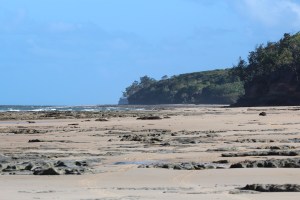
Captain Billy’s Landing

When I say “Joining the Big Roo Count” what I really mean is encouraging Jenny and Euan to take a day off work and go exploring. And that’s exactly what we did.

Exploring a bat cave. We later found out that crocs like to rest in here...oops!

Exploring a bat cave. We later found out that crocs like to rest in here…oops!

First, an attempt at driving on the original Telegraph track, which was short-lived because we wanted to save our cars from the damage that the huge ruts could cause. Then a delightful and refreshing swim at Fruitbat Falls followed by some beachcombing at Captain Billy’s Landing.

IMG_8866

Bat’s in the bat cave

The following day we thought we’d better help them out with some work. The “Big Roo Count” being conducted by Euan and Jenny is a follow-up from Euan’s PhD research a decade ago. Their aim is to see how the populations of kangaroos, wallaroos and wallabies in the tropics have changed since their surveys 10 years ago. After a super crowd-funding effort they were able to raise enough funds to re-survey the Qld sites over four months, so off they went with their two kids in tow!

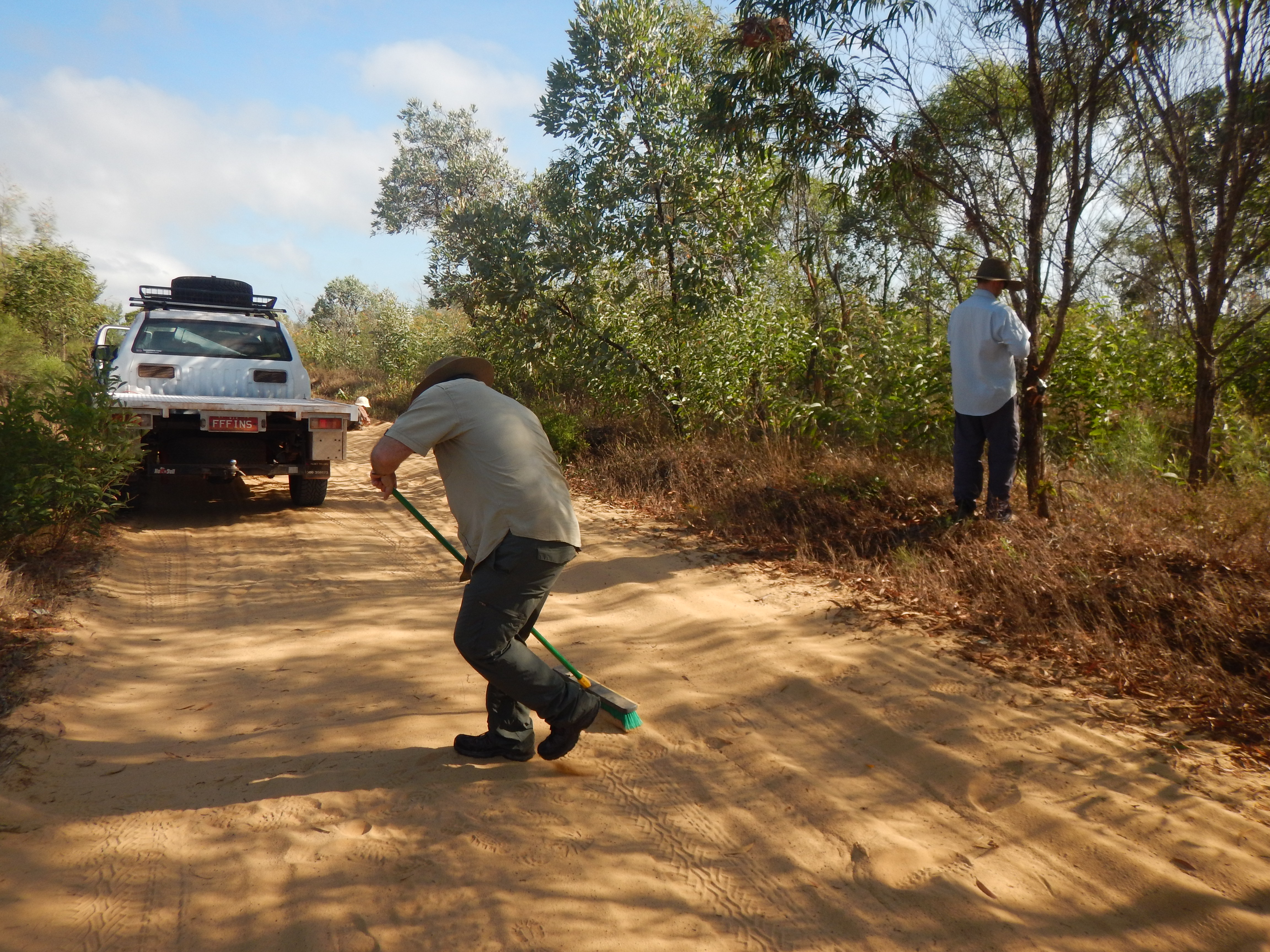
This time, they were very excited to be able to use modern technology such as camera traps to enhance their surveys and collect more data.  Graeme assisted Euan with setting the camera traps and sweeping an area of sand in front of the camera to detect fresh footprints of animals.

Men at work

Men at work

A dollop of a mixture consisting of peanut butter, fish sauce, honey and a few other odorous ingredients was placed in front of the camera in order to attract nearby animals.

Burrowing frog

Burrowing frog

I on the other hand had the very important job of keeping the kids occupied. We did this by building fake crocodile nests in the sand (and uncovering a burrowing frog in the process!), licking the delicious nectar from nature’s lollipop flowers (aka bush tucker or ‘honey floss’), building nests for birds or marsupials and decorating the shrubs like Christmas trees with natural decorations.

After our morning of “work” we left the Ritchies and continued our journey north with plans to meet up with them again at Iron Range NP the following week.
A COUPLE OF COINCIDENCES

Standard

Standing on the shore of a very remote lagoon in the middle of Lakefield NP at the southern end of Cape York Peninsula, we were rather put off when a car pulled up and a tourist stood in front of us blocking our view of the crocodile swimming across the pond. Instead of being rude, Graeme asked them where they were from to which they answered Adelaide. In an instant Graeme recognised the voice and face and said “Bill?”. Bill Breed DSCN2165Graeme and Bill were co-authors on a paper on reproduction in southern hairy-nosed wombats many years ago. Bill Breed, a retired professor from the University of Adelaide whom we hadn’t seen in 10 years, was on a short bird-watching trip from Cairns to Lakefield NP and back again. We were on our way north, they were on their way south. What a random, remote place to unexpectedly catch up with an old colleague.

The next day we had a long drive. We were heading from Lakefield to Bramwell Station in the hope of catching up with our friends Jen Martin and Euan Ritchie who were half-way through their “Big Roo Count” fieldtrip on the York Peninsula. With no way of contacting them, we checked their SPOTME tracker and saw that they were at Bramwell Station. Banking on the fact that they spend several days at each field site, we decided to head up to the station to find them.

You know those times that a difference of 1 minute would have made a major difference in the outcome of an event. Well this was one of them. We had a 6-hour drive to Bramwell,  which turned into an 8-hour drive because of our numerous random stops to look at wildlife (like Brolgas!), drink coffee by a river and to refuel at roadhouses. We stopped briefly at Bramwell roadhouse 11836739_10206509184281589_43350002259446640_nto fill our tank before driving the last 10km to the Station. As I was paying for the fuel I noticed a familiar face – Jen – they had stopped at the roadhouse for 30 seconds just to dump some rubbish. Was it fate? I don’t really know. But it was mighty lucky as they were on their way to their next field site at Heathland Reserve. Happily, we followed them to their next destination.

Adventures on the Cape to be continued…

In search of the cassowary

Standard

Some might Birdwatching IMG_8499 croppedwonder about our obsession with seeing a cassowary in the wild. It all started last year when we visited the Daintree for our friends’ Cara and Andy’s wedding. “You’ll definitely see a cassowary in the Daintree” people said. Not true. Although it seemed that everybody else at that wedding had seen a cassowary at some point during their holiday.

So during our trip this year, we tried every area where cassowaries are known to be commonly sighted. Starting from the southern end of their distribution, we drove along the “Cassowary trail” in the Mission beach area and even walked along a rainforest trail that has a “Cassowary garden” full of trees bearing their favourite fruits. One would expect to see a cassowary on a cassowary trail, but we did not. We had been forewarned however not to get our hopes up at Mission beach, as cyclone Yasi had greatly effected the cassowary population in this area and numbers had definitely decreased.

We traveled further north to Etty Bay. A cassowary and his chick (yes, males rear the chicks while mum just lays the egg then runs), are known to frequent this beach EVERY SINGLE DAY. We arrived in the afternoon to find that there was no room in the inn (or caravan park) for us. So on we went.

“Never fear”, our advisors would say, “the best place to see them is in the Daintree!” Do I really need to remind you about our lack of cassowary sightings in the Daintree last year?

We were losing hope. We had started to believe that the cassowary was a mythical creature. People were just putting up those silly “recent cassowary crossing here” signs just to annoy us. We made a deal that we would not leave the Daintree until we saw one.

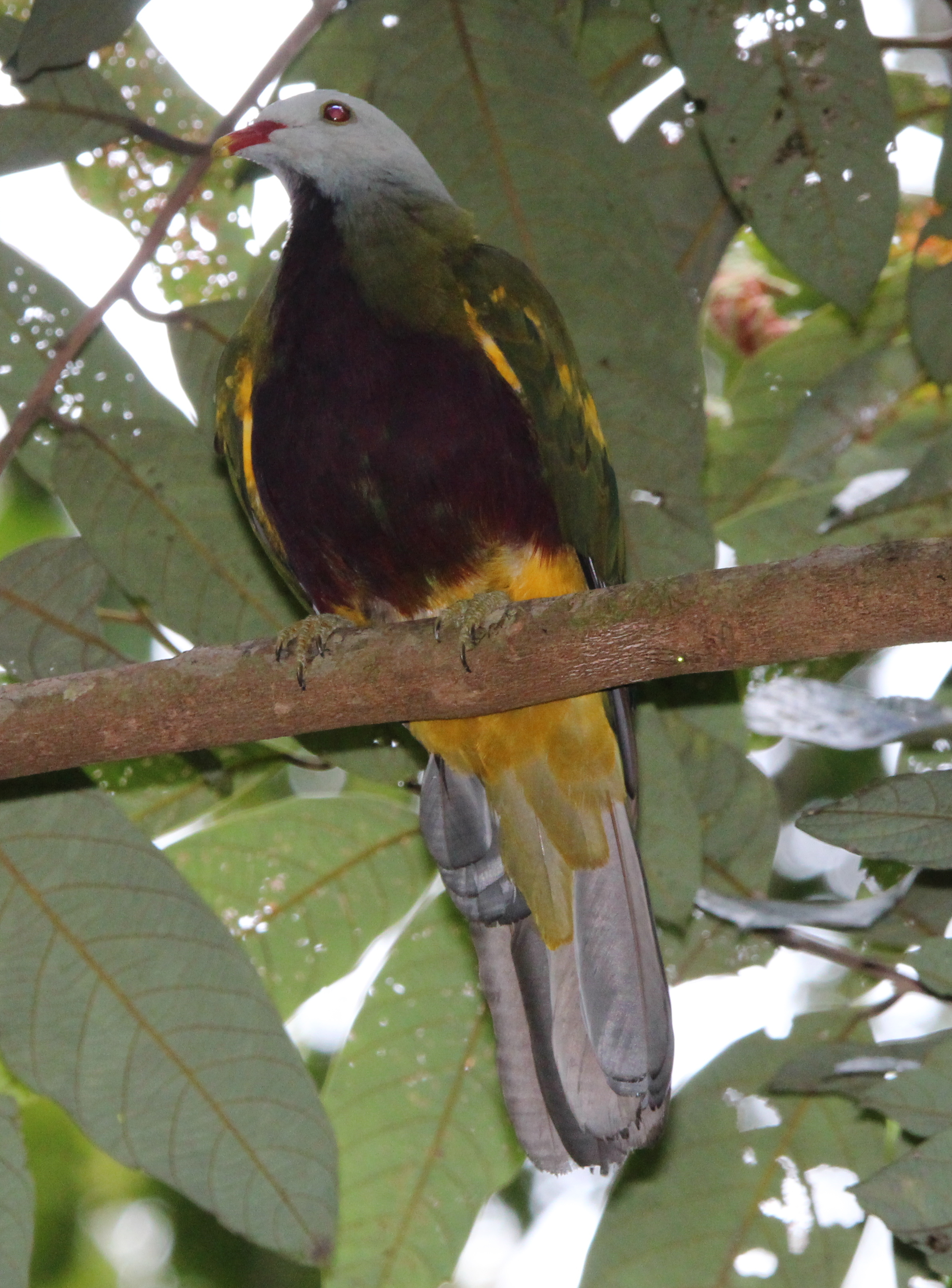
We walked along the JindalbaWompoo IMG_8489 boardwalk keeping our eyes peeled for cassowaries, and instead we found all kinds of new birds that we had never seen before. We sat on a little a bird-watching deck and found Wompoo (pictured), rufous fantails and many honeyeaters. Suddenly there was a loud noise behind us…and there he was…Mr Cassowary and his chick had found us!

We had a wonderful 30 seconds of watching him and his little chick scratching around in the earth when a loud helicopter flew over and frightened them away. At least we now know that they are real.